
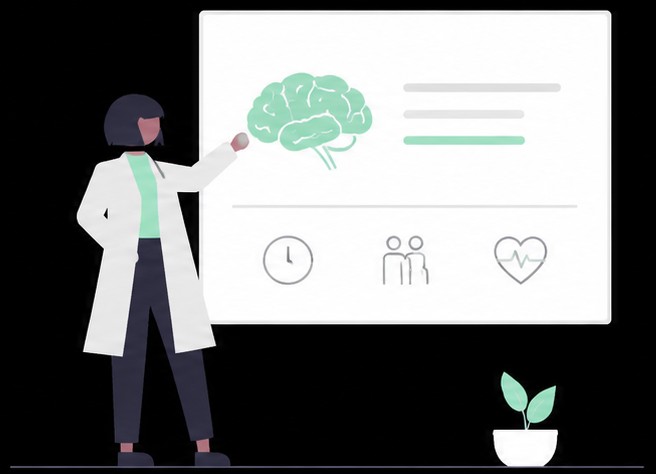
Brain changes associated with neurodegeneration can begin decades before cognitive symptoms. Identifying neurological signals improves the context and timing of medical and lifestyle interventions to support long-term cognitive health.
Unfortunately, advanced testing and interpretation remain out of reach for most people, due to barriers of geography, cost, or access to neurology specialists. Our research team is working to address these constraints by exploring more accessible approaches, including at-home testing.
Our ultimate goal is to provide brain biomarker testing that is easy, affordable, accurate, and understandable.
The AlzLabs team is also working to understand which biological signals and related factors (such as genetics and age) provide the most informative and meaningful insights. Understanding the nuances among a variety of brain biomarkers is critical to delivering effective, comprehensive brain health care.
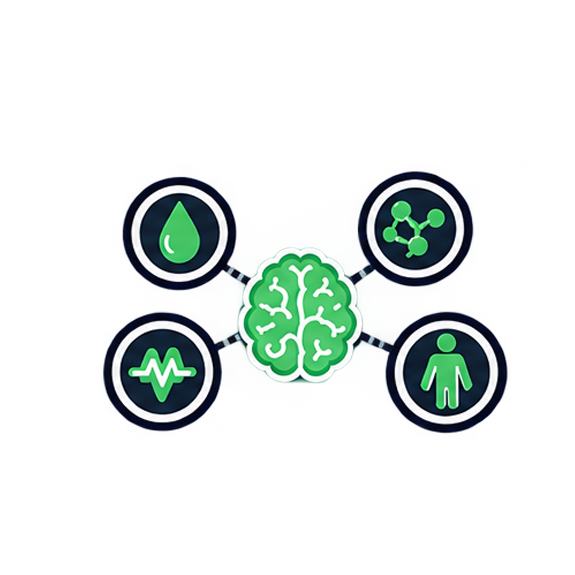
Much like cardiovascular care today, which relies on a panel of tests rather than any single measure, comprehensive brain health care will require insights from multiple biomarkers and related factors, such as pTau217, pTau181, NfL, pTau217/Aβ42 ratio, and GFAP.
Expanding access to brain biomarker testing requires more than making existing tests available—it requires developing new ways to collect and analyze biological information.
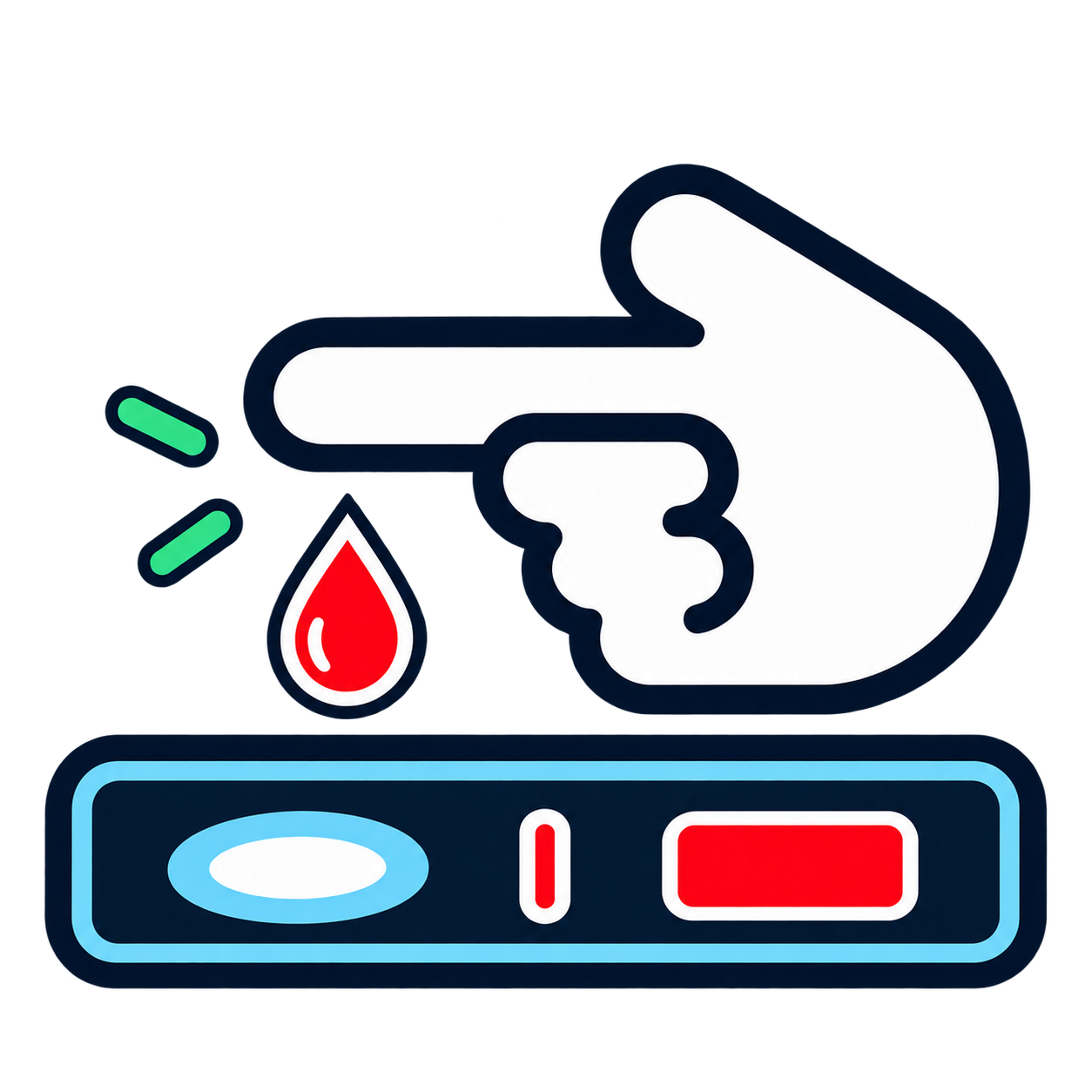
Our research team is exploring micro-sampling of capillary blood as an approach to at-home brain biomarker testing. Unlike a traditional blood draw, working with such a small volume of capillary blood presents unique scientific and technical challenges. Extracting reliable biomarker information from this limited sample volume requires specialized methods capable of detecting proteins present at very low concentrations. Using a small-volume blood sample collected through a finger prick, our proprietary methodology has been found to detect more than 100 brain proteins from approximately 10 drops of blood or less.
This work could open new possibilities for measuring a broad range of brain-related biological signals without requiring a traditional blood draw or specialized clinical setting.
We are working to translate these advances in brain protein detection into practical, accessible testing approaches that can ultimately be performed at home.
Our vision is to make advanced brain biomarker testing as accessible and convenient as other routine health measurements—while maintaining the scientific rigor needed to make the information meaningful.
If you are a person interested in maintaining brain health, a physician, or a researcher, we'd love to hear from you. Help bring our mission to life.